


With over 100 successful transit-oriented design (TOD) and podium projects completed across the West Coast, Ankrom Moisan has shaped vibrant, walkable, transit-connected communities that transform underutilized land into thriving mixed-use neighborhoods. Our expertise extends across scales – from strategic district-wide frameworks to detailed building design – with a track record of delivering catalytic projects for agencies like Tacoma Housing Authority, Hines, Clark Country Transit, and the City of Beaverton.
Our approach balances visionary planning with pragmatic execution. We begin with transit-adjacent development (TAD) opportunities and help them evolve into fully transit-oriented communities (TOCs) by integrating long-term growth strategies, inclusive public engagement, and equitable housing solutions. We don’t just design buildings near transit – we cultivate places where people live, work, and thrive without needing a car.
Our clients rely on us to:
Lead complex, multi-agency stakeholder engagement processes.
Maximize land value and development potential while preserving transit function.
Prioritize community needs through housing diversity and public realm activation.
Deliver cost-effective, code-smart podium solutions at scale.
To accomplish these goals, we’ve put together a list of five do’s and don’ts for designing successful, impactful transit-oriented developments.
DO Create Mixed-Use, Mixed-Income Neighborhoods. DON’T Build Monocultures that Ignore Economic Diversity
TODs should support a full spectrum of incomes and uses, from market-rate and affordable housing to live/work spaces, retail, and employment hubs. This mix increases transit ridership, reduces car dependence, and promotes economic vitality. Oliver Station in Portland is a standout example – it’s a mixed-use, transit-adjacent project that blends affordable and market-rate housing atop ground-floor retail, directly adjacent to the MAX light rail line. It reconnected a fragmented streetscape and brought needed density, amenities, and equity into a rapidly evolving neighborhood.

Aerial view of the mixed-use Westgate neighborhood in Beaverton, Oregon
DO Prioritize Public Engagement and Local Government Buy-In. DON’T Underestimate Community Concerns or Political Will.
Early, sustained engagement reduces resistance and aligns stakeholders. At Fisher’s Landing, a robust outreach strategy informed a district-wide plan grounded in local values and transit requirements. We collaborated with the public, city leaders, and the transit agency to align development goals with long-term community interests, resulting in a flexible, phased vision that maintains transit operations while introducing new housing, amenities, and economic opportunity.
DO Design for Walkability, Safety, and Connectivity. DON’T Treat Transit as an Island.
TODs thrive when the pedestrian experience is seamless. Wide sidewalks, active frontages, street furniture, and visible transit connections are non-negotiable. Our Westgate framework plan in Beaverton placed a “100% corner” at the intersection of key pedestrian and transit axes, designing it as a vibrant focal point with active ground floors on all corners. This approach created a true urban node that strengthens both walkability and transit access.
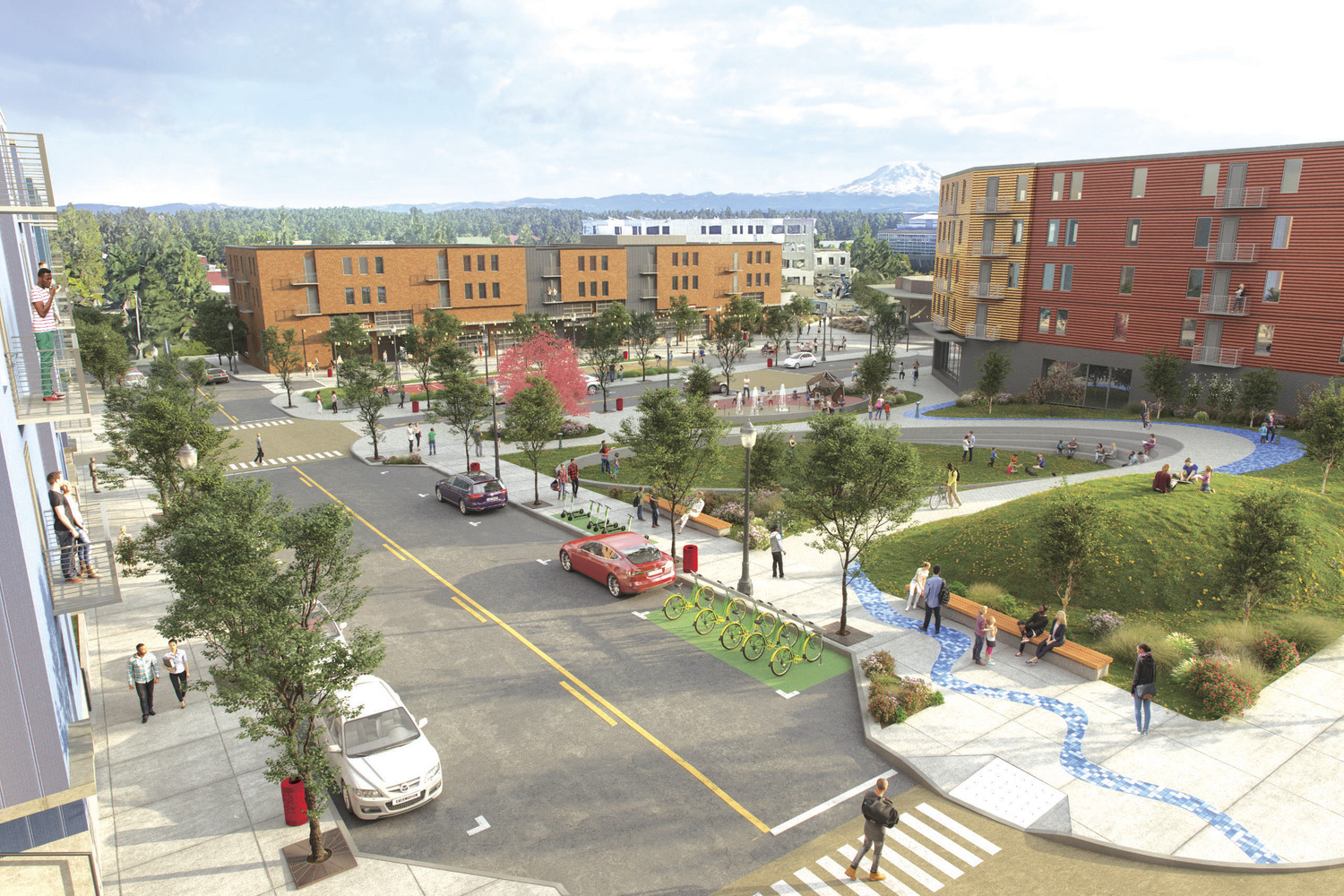
Rendering of James Center North in Tacoma, Washington
DO Future-Proof Parking and Mobility Strategies. DON’T Let Surface Parking Define the Site.
Smart TODs transition from car-centric layout to multimodal systems over time. Through our mobility charrette at James Center North, we worked with local agencies to reimagine parking as a flexible urban element – initially essential, but adaptable to evolving shared mobility trends. Rather than relying on traditional fixed ratios, our plans allow parking to phase out in favor of programmable space, micro-mobility lanes, or active frontages as transit demand grows.
DO Activate the Public Realm with Purposeful Design. DON’T Leave Edges Dead or Space Underutilized.
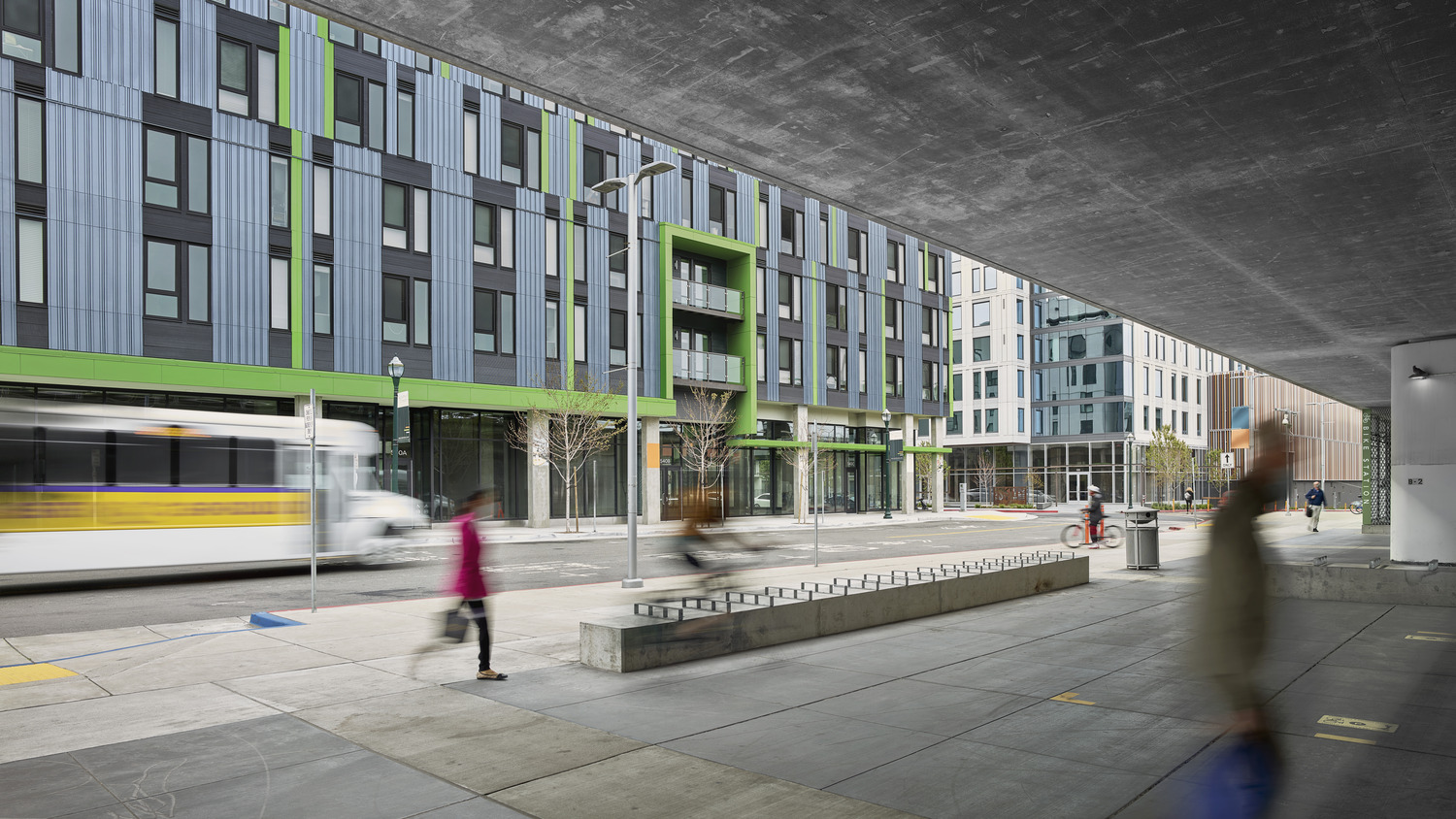
Every surface counts in a TOD. Thoughtfully designed public spaces, transparent ground floors, and flexible plazas invite people to linger, connect, and return. The MacArthur Station project in Oakland is a prime example. Our design team created a central public heart at the BART station, anchored by active frontages, inviting walkways, and diverse open spaces that encouraged continuous activity and movement. Visual connections, lighting, and building orientation enhanced safety and navigability, while the public realm was designed as a true civic stage, welcoming residents, commuters, and visitors alike. The result is a fully integrated 8-acre community with 880 homes and 40,000 square feet of retail, deeply embedded in the region’s transit fabric.
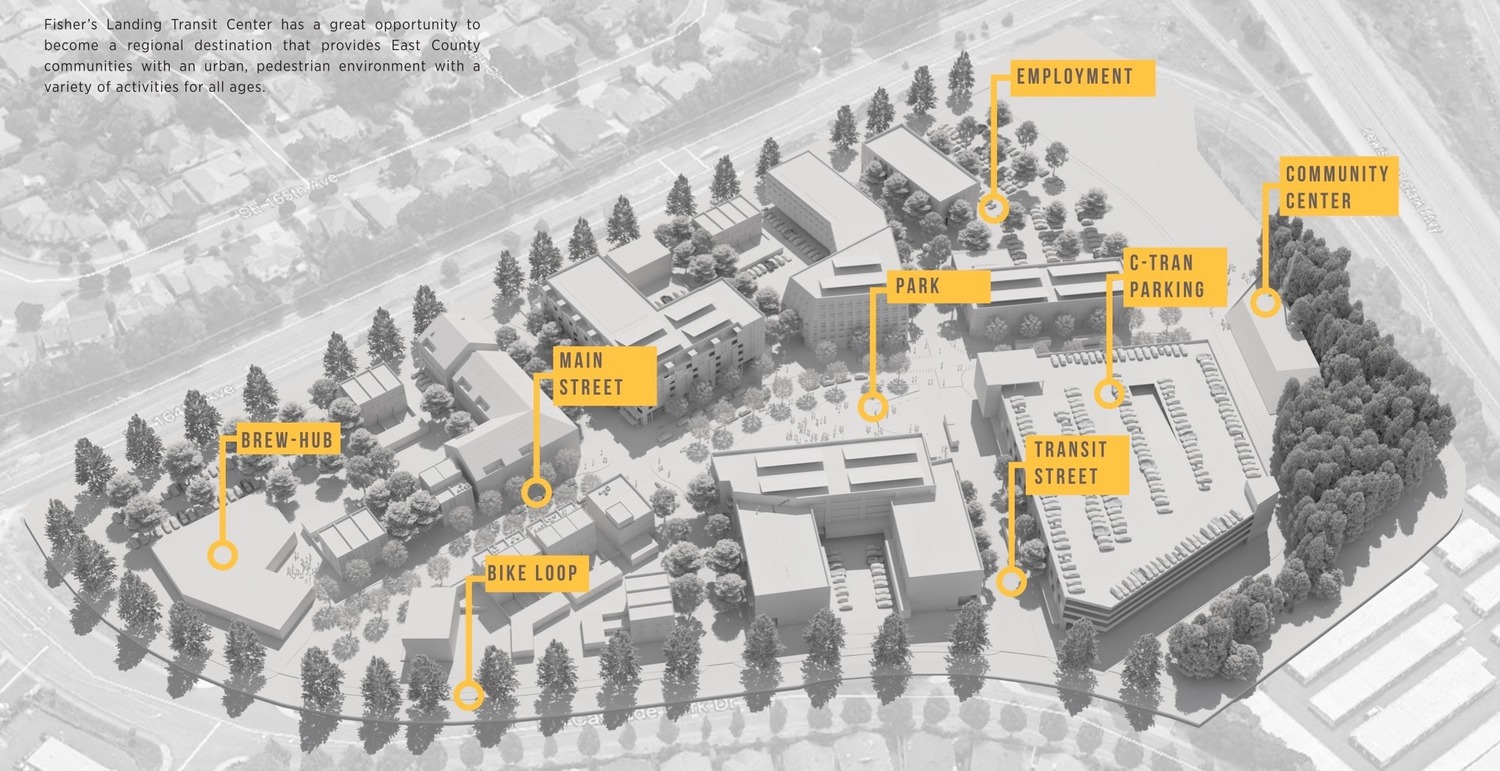
Master Plan for Fisher’s Landing in Vancouver, Washington